Arbeitsblatt: Theory active and passive
Material-Details
Kurze Erklärung mit Beispiele Passiv-sätze in unterschiedliche Zeitformen.
Englisch
Grammatik
10. Schuljahr
1 Seiten
Statistik
106050
780
6
31.10.2012
Autor/in
jan schippers
Land: Schweiz
Registriert vor 2006
Textauszüge aus dem Inhalt:
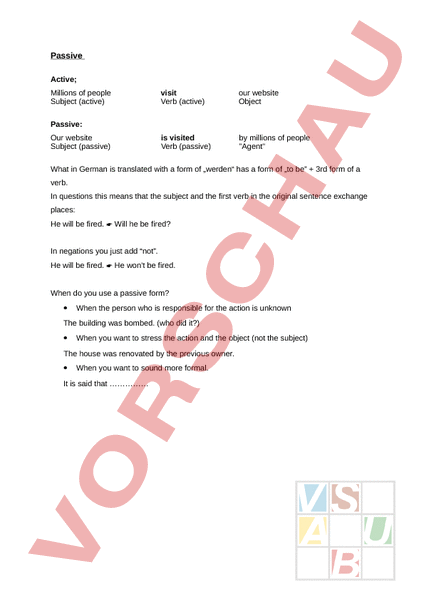
Passive Active; Millions of people Subject (active) visit Verb (active) our website Object is visited Verb (passive) by millions of people Agent Passive: Our website Subject (passive) What in German is translated with form of „werden has form of „to be 3rd form of verb. In questions this means that the subject and the first verb in the original sentence exchange places: He will be fired. Will he be fired? In negations you just add not. He will be fired. He wont be fired. When do you use passive form? • When the person who is responsible for the action is unknown The building was bombed. (who did it?) • When you want to stress the action and the object (not the subject) The house was renovated by the previous owner. • When you want to sound more formal. It is said that Passive in all tenses PRESENT SIMPLE PRESENT CONTINUOUS PAST SIMPLE PRESENT PERFECT WILLFUTURE BE GOING TOFUTURE MODAL VERB&be you he she it we you they am are is are are are you he she it we you they am being are being is being are being are being are being you he she it we you they was were was were were were you he she it we you they have been have been has been have been have been have been you he she it we you they will be will be will be will be will be will be you he she it we you they am going to be are going to be is going to be are going to be are going to be are going to be you he she it we you they should be should be should be should be should be should be past participle past participle past participle past participle past participle past participle past participle