Arbeitsblatt: Australia
Material-Details
Material zum Stationslernen
Englisch
Anderes Thema
9. Schuljahr
2 Seiten
Statistik
16184
780
6
24.02.2008
Autor/in
susanna vettr
Land: Deutschland
Registriert vor 2006
Textauszüge aus dem Inhalt:
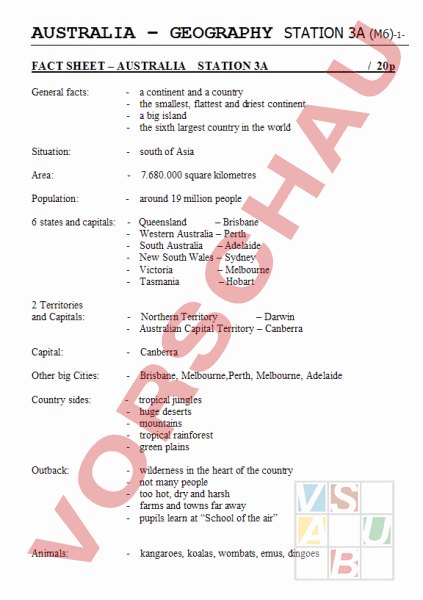
AUSTRALIA – GEOGRAPHY FACT SHEET – AUSTRALIA STATION 3A General facts: Situation: south of Asia Area: 7.680.000 square kilometres Population: around 19 million people 6 states and capitals: 2 Territories and Capitals: STATION 3A continent and country the smallest, flattest and driest continent big island the sixth largest country in the world Queensland – Brisbane Western Australia – Perth South Australia – Adelaide New South Wales – Sydney Victoria – Melbourne Tasmania – Hobart Northern Territory – Darwin Australian Capital Territory – Canberra Capital: Canberra Other big Cities: Brisbane, Melbourne,Perth, Melbourne, Adelaide Country sides: tropical jungles huge deserts mountains tropical rainforest green plains Outback: wilderness in the heart of the country not many people too hot, dry and harsh farms and towns far away pupils learn at School of the air Animals: kangaroes, koalas, wombats, emus, dingoes (M6)-1/ 20p poisonous spiders, snakes, crocodiles, termites Plants: eucalyptus trees gum trees Aborigines: original people History: Captain James Cook discovered it in 1770 became British Colony first mainly served as penal colony for convicts many settlers from England, Scotland, Ireland, Italy, Greece, Germany Aborigines had to leave their land gold founded in the 19th century Sports: water sports (sailing, surfing) rugby, cricket, tennis, golf Famous sights: Great Barrier Reef Uluru (Ayers Rock) Sydney: oldest and biggest city Opera house and harbour Agriculture /Industries/Exports: Climates: sheep and cattle farming beef exports opals most important supplier of minerals one of the biggest wool producers tourism North: Centre: South: three different climates tropical – hot and wet very dry, mainly desert pleasant with cool winters and warm summers summer: autumn: winter: spring: opposite of the northern hemisphere in December in March in June in September Seasons: